How did a democracy argue while it was inventing itself?
Everything said in the Congress of the Second Spanish Republic, 1931 to 1945, ready to search, read, count and cite.
Open the explorer Download the data
755 sessions · more than 100,000 speeches · 773 deputies · CC BY 4.0 · Harvard Dataverse
- Traditionalists
- Bloque Nacional
- CEDA
- Agrarians
- Right-wing independents
- Lliga Regionalista
- Centre
- Independents and Conservatives
- Progressives
- Radicals
- Basque Nationalists
- Esquerra and other Catalan parties
- Socialists
- Communists
- Independent Republicans
- Unión Republicana
- Izquierda Republicana
- Government bench (banco azul)
“Luz y taquígrafos.”
A deputy shouted it on 8 June 1934, when the Chair recalled that requests to prosecute deputies are dealt with in secret session. Almost everything else was printed in the Session Diary: more than 20 million words nobody could read in full. Now they can be searched.
More than a database
An infrastructure for studying the Republic through its Parliament.
- The whole Diary. All 755 sessions, from the Constituent Cortes to exile in Mexico.
- Every speech, a row. Who speaks, when and in which session, with the text.
- Speakers, identified. 773 deputies, with their party and ideology.
- An explorer in the browser. Search, collect, read and compare, with nothing to install.
- Co-sponsorship networks. Afinidades Elegidas: who signed with whom.
- Open and citable. A CSV with a DOI and a CC BY 4.0 licence, ready for R or Python.
When did they talk about divorcioCataluñareforma agrariaCongregacionesCasas ViejasamnistíaAsturiasFrente Popular?
Type a word or pick one. The curve counts how often it was said each month; the calendar lights up where it was said most.
Each square is a month with sessions. The rings open eight moments.
- 1-X-1931 Votes for women
- 13-X-1931 «España ha dejado de ser católica»
- 27-V-1932 The Statute of Catalonia
- 2-II-1933 Casas Viejas
- 4-VII-1934 Prieto's pistol
- 16-VI and 1-VII-1936 The prelude
- 1-II-1939 Figueres
- 17-VIII and 7–9-XI-1945 Mexico
Occurrences per ten thousand words, counted as the explorer counts them; months with little text are drawn thin.
Query for the explorer's search boxdivorcio
Open the explorer Select the query and copy it.
How many voted yes?
Six roll-call votes, 1931 to 1936. Drag the bar to where you think the yes vote reached, then check it against the Diary.
1-X-1931 Art. 34: votes for women
161 yes · 121 no
13-X-1931 Art. 24: the religious question
178 yes · 59 no
9-XII-1931 The Constitution
368 yes · 0 no
9-IX-1932 The Agrarian Reform
318 yes · 19 no
9-IX-1932 The Statute of Catalonia
314 yes · 24 no
7-IV-1936 Art. 81: the removal from office of the President of the Republic
238 yes · 5 no
Results as printed in the Session Diary. See the sessions and votes
Who signed with whom?
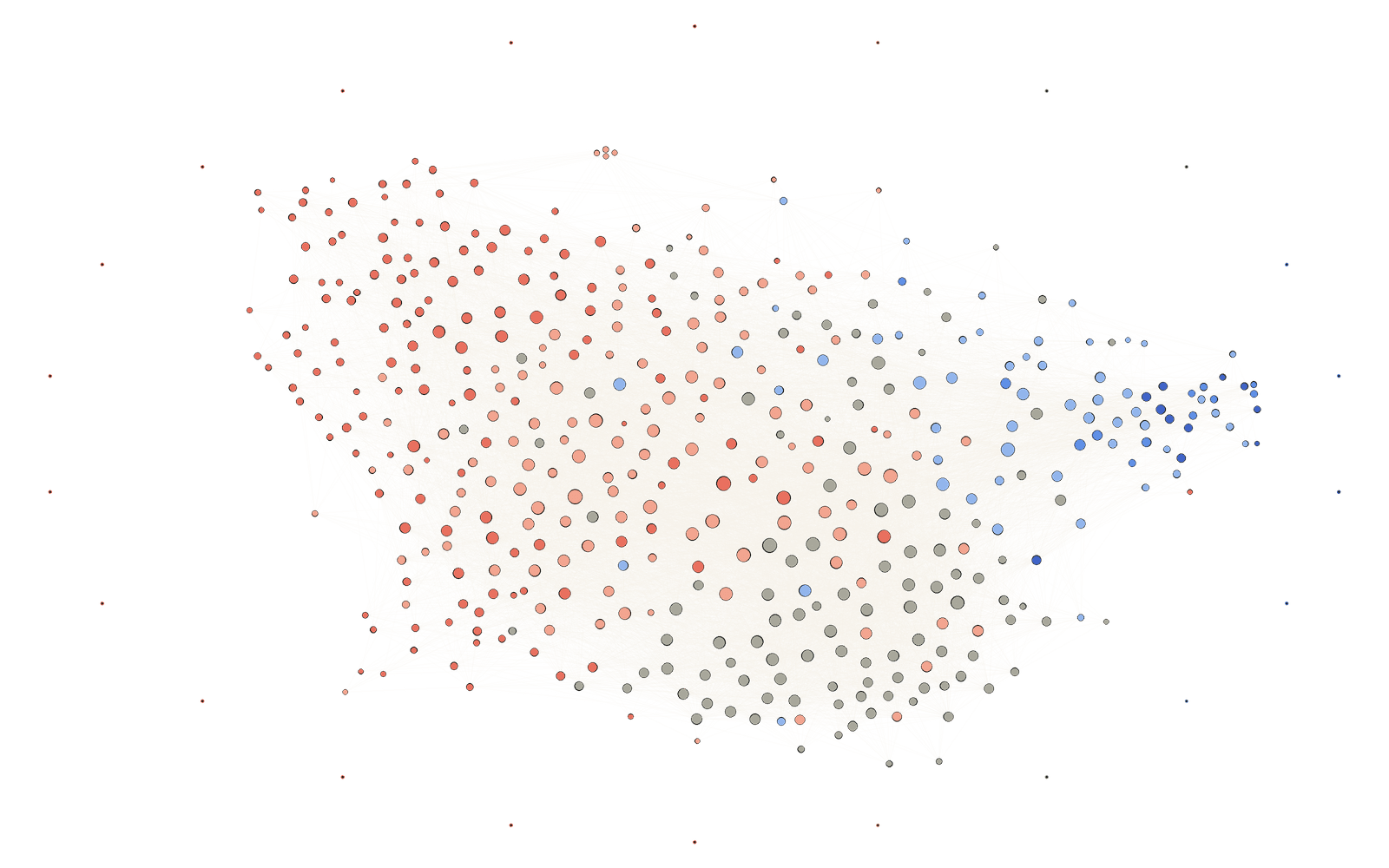
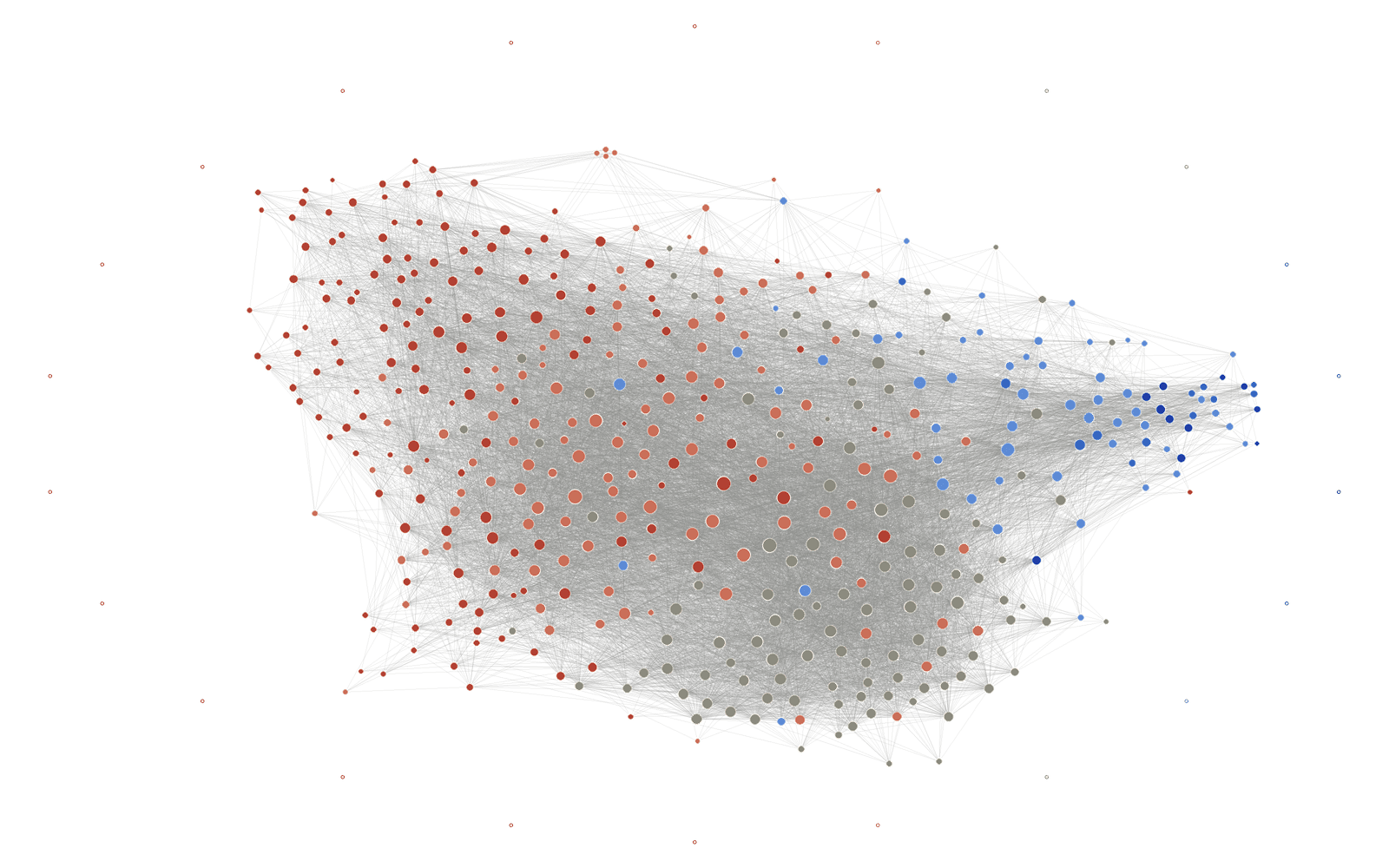
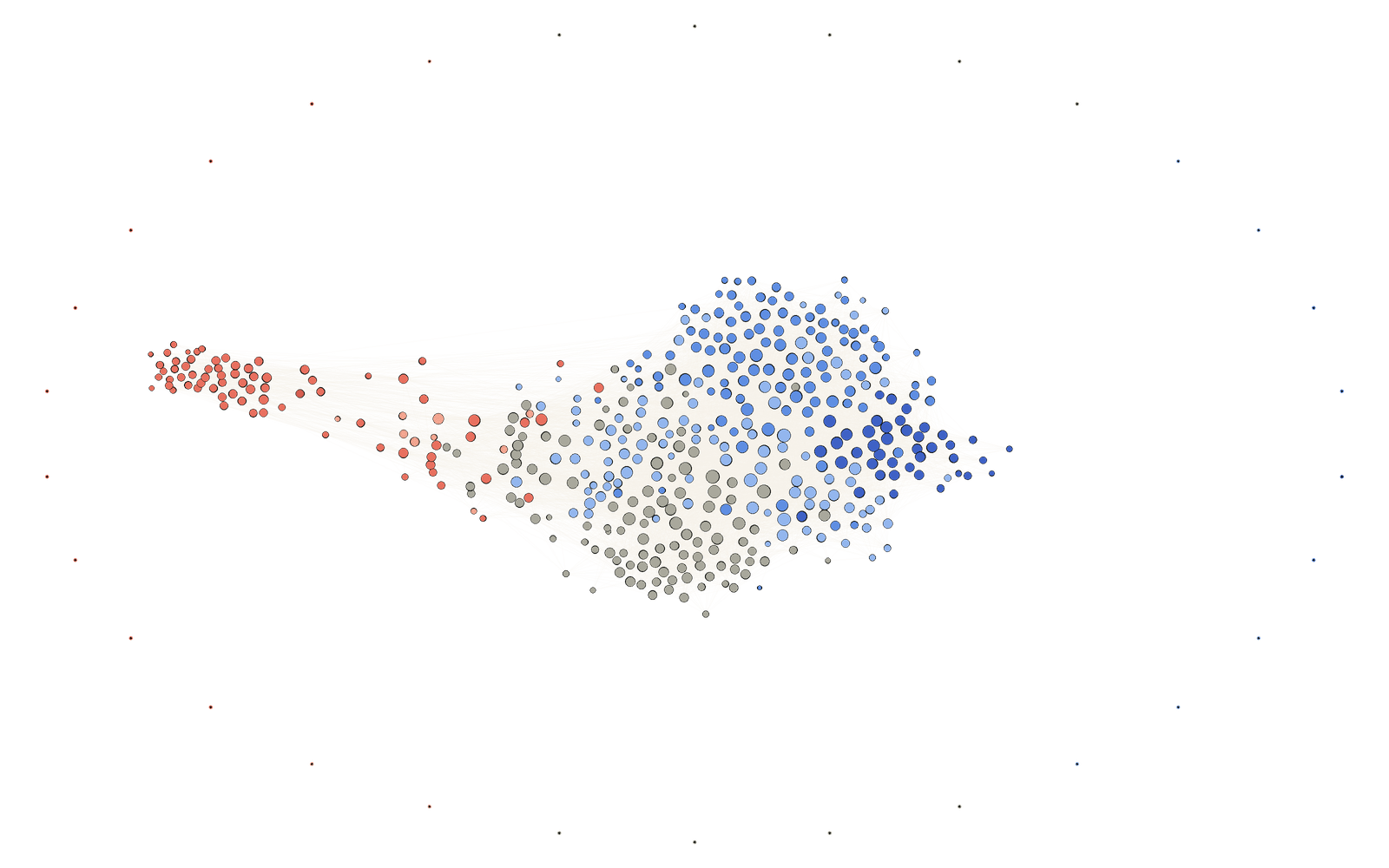
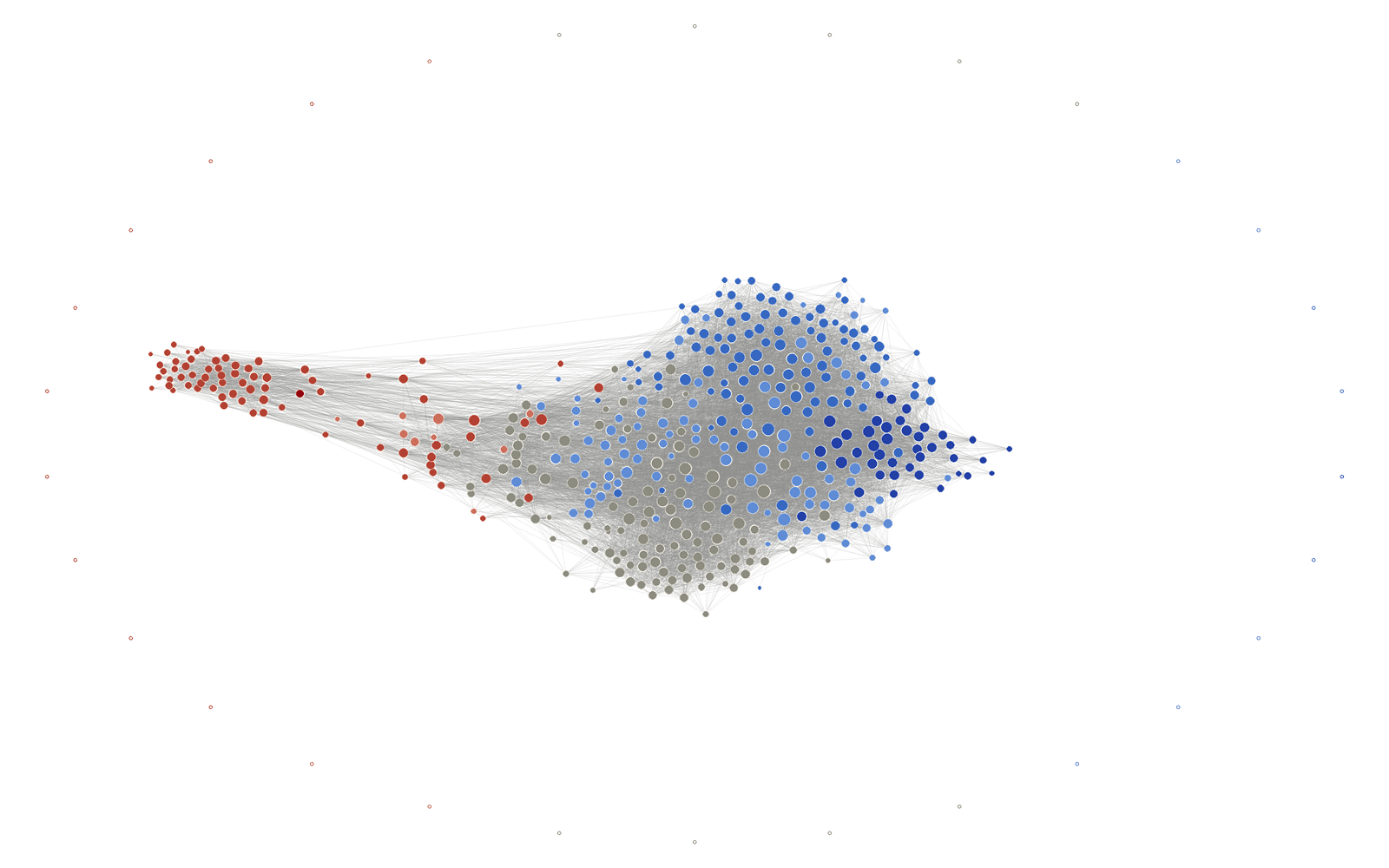
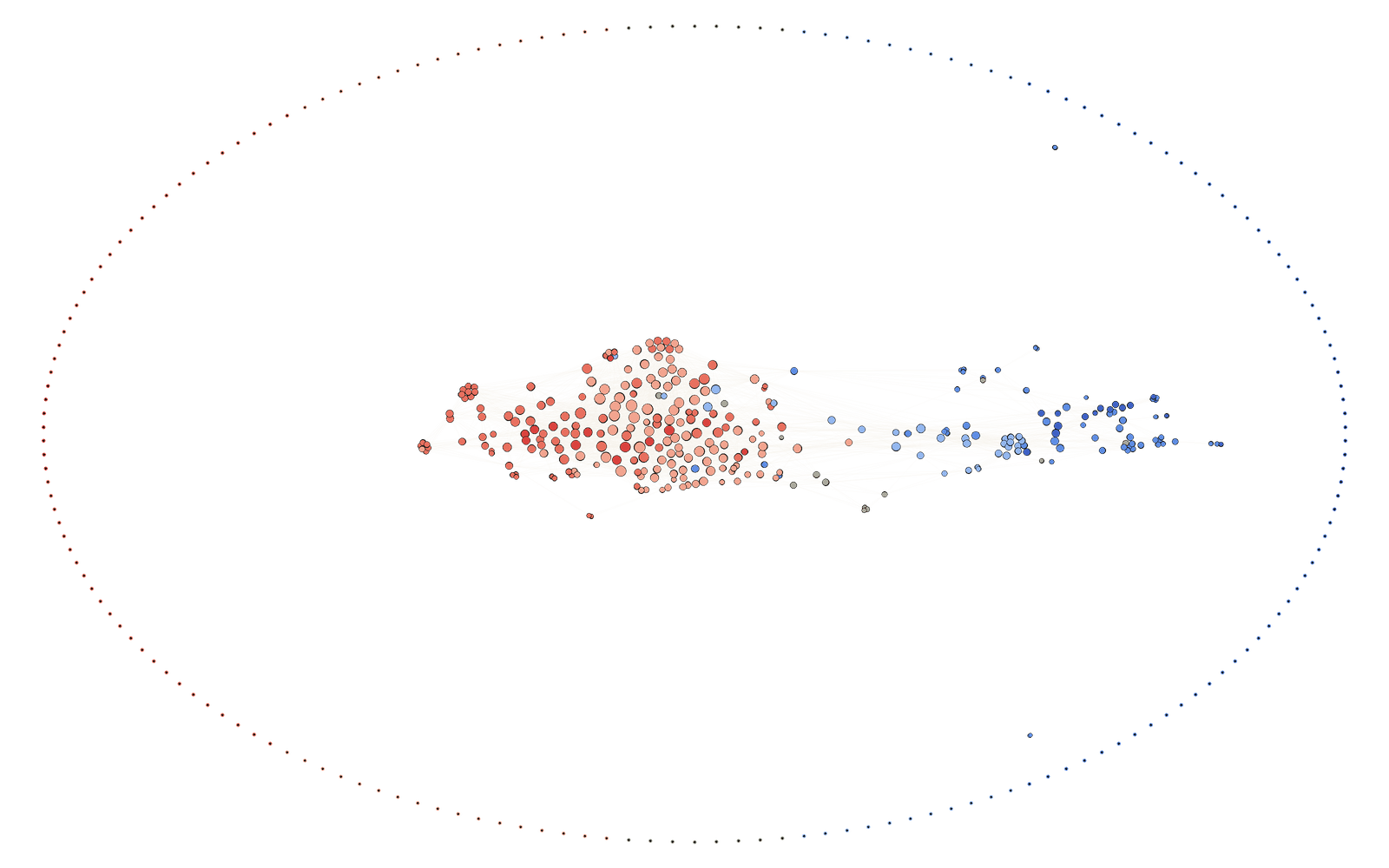
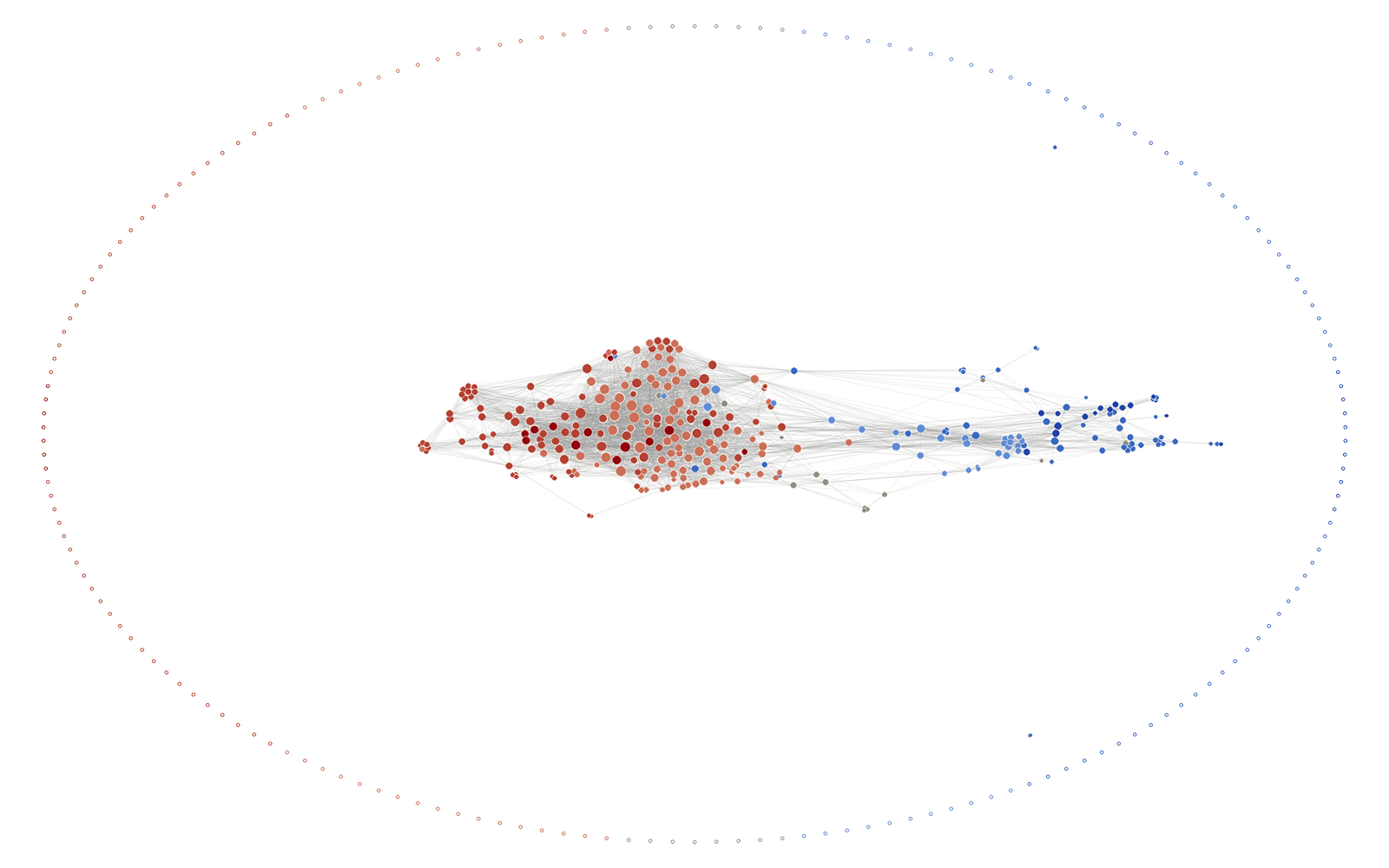
Each dot is a deputy; each line, a bill signed together. Switch legislature or search for a deputy.
Co-authorship networks, legislature by legislature
Loading the figure…
The figure could not be loaded. Its data are still in the Table tab.
Ideology, according to the record
- Far left0120
- Left16182137
- Centre-left12112130
- Centre11112029
- Centre-right5510451
- Right15109107
- Far right124227
Loose, on the outer ring: those who signed with no one2230186
The size of the point grows with the number of deputies they signed with.
Of the 1,026 people in the census, 253 do not yet have a reviewed spelling: their name appears as CGOCUS writes it, without accents.
With the keyboard: Tab moves to the network; ← and → step through the deputies, from most to fewest co-signatories; Home and End go to the first and the last; Esc releases.
With the keyboard: Tab moves to the figure; ← and → step through its marks; Home and End go to the first and the last; Esc closes the note.
Start today
No programming
The explorer, in your browser.
With R or Python
The CSV, with its DOI.
With networks
Afinidades Elegidas: who signed with whom.
Rodrigues-Silveira, Rodrigo; García-Díez, Fátima; Llamazares, Iván; Martínez-Barahona, Elena; Barreto Martín, Eduardo, 2026, "Luz y Taquígrafos: Parliamentary Debates in the Second Spanish Republic, 1931–1945", https://doi.org/10.7910/DVN/THQCMI, Harvard Dataverse, V2
As given by Harvard Dataverse.
BibTeX
@dataset{thqcmi_2026,
  title = {Luz y Taquígrafos: Parliamentary Debates in the Second Spanish Republic, 1931–1945},
  author = {Rodrigues-Silveira, Rodrigo and García-Díez, Fátima and Llamazares, Iván and Martínez-Barahona, Elena and Barreto Martín, Eduardo},
  year = {2026},
  publisher = {Harvard Dataverse},
  version = {2.0},
  doi = {10.7910/DVN/THQCMI},
  url = {https://doi.org/10.7910/DVN/THQCMI}
}
RIS
TY  - DATA
TI  - Luz y Taquígrafos: Parliamentary Debates in the Second Spanish Republic, 1931–1945
AU  - Rodrigues-Silveira, Rodrigo
AU  - García-Díez, Fátima
AU  - Llamazares, Iván
AU  - Martínez-Barahona, Elena
AU  - Barreto Martín, Eduardo
PY  - 2026
PB  - Harvard Dataverse
ET  - 2.0
DO  - 10.7910/DVN/THQCMI
UR  - https://doi.org/10.7910/DVN/THQCMI
ER - The data are published. Ask your questions.